Flux vs Midjourney vs DALL-E: Best AI Image Generator for Creators
A workflow-first image model comparison for creators who need thumbnails, ad concepts, reference frames, and image-to-video source assets.
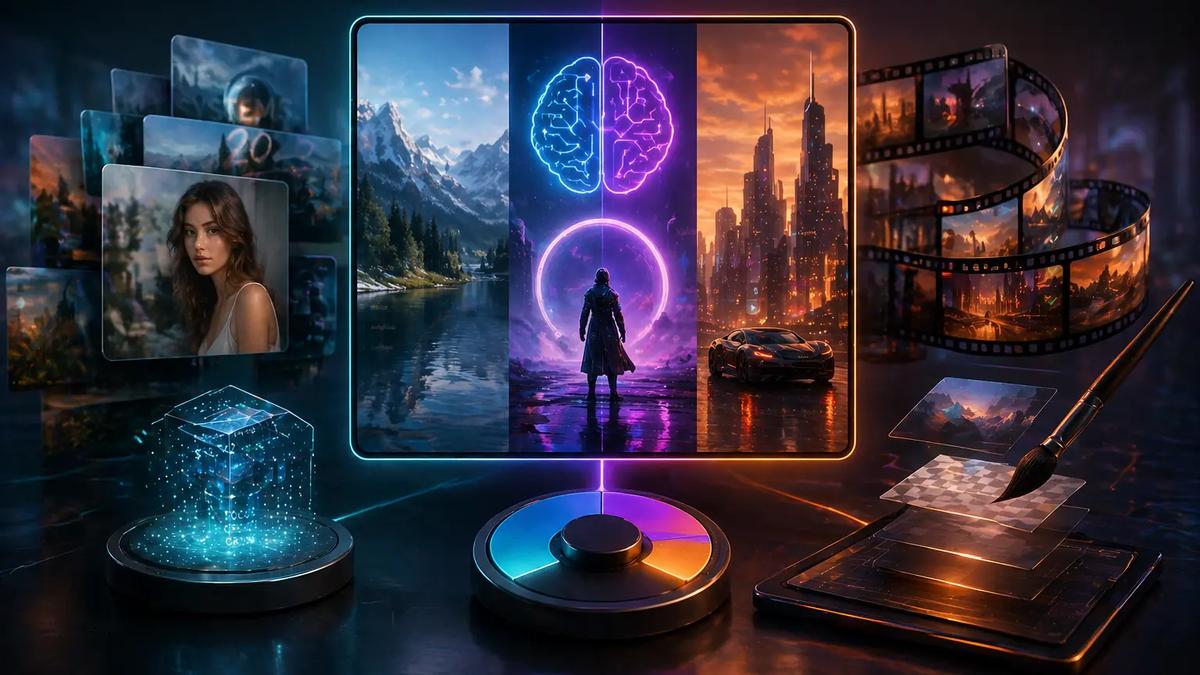
Creators should evaluate images based on downstream use
A beautiful image is not automatically a useful creator asset. The best AI image generator depends entirely on the final objective:
- YouTube thumbnails
- Ad creatives
- Product mockups
- AI influencer references
- Cinematic storyboards
- Source frames for image-to-video workflows
FLUX, Midjourney, and DALL·E all have different strengths, but the most important question is not which one looks “prettiest.” The real question is:
Which model produces the most usable assets for the creator workflow?
Because in 2026, AI images are rarely the final deliverable. They are usually the starting point for a larger content pipeline.
What actually matters when comparing AI image models
Most comparisons online focus too heavily on aesthetics. Professional creators should evaluate image models using production-focused criteria:
- Prompt control
- Visual consistency
- Typography quality
- Realism
- Style flexibility
- Editing capabilities
- Reference image support
- Generation speed
- Workflow integration
- Image-to-video potential
- Commercial usage context
The best model changes depending on what happens after the image is generated.
Flux: consistency, production, and modern creator workflows
FLUX has quickly become one of the strongest models for production-oriented workflows. Its biggest advantage is not just visual quality. It is the combination of:
- Strong prompt adherence
- Clean, usable outputs
- High realism
- API-friendly integration
- Consistency across large-scale workflows
Flux performs especially well for:
- AI influencers
- Advertising assets
- Thumbnail generation
- Commercial mockups
- Storyboards
- Image-to-video source frames
It is also extremely effective when creators need:
- Repeatability
- Visual consistency
- Scalable production
- Automation-friendly pipelines
Many creators prefer Flux because the outputs often require less cleanup before entering the next stage of production.
Midjourney: visual exploration and artistic direction
Midjourney remains one of the strongest tools for aesthetic exploration. Its biggest strength is creative “taste-making.” Midjourney excels at:
- Concept art
- Moodboards
- Visual experimentation
- Cinematic compositions
- Stylized aesthetics
- Creative inspiration
This is why it remains extremely popular among:
- Designers
- Visual artists
- Creative directors
- Concept creators
In many cases, Midjourney produces more cinematic-looking images with minimal prompting effort. However, when workflows require:
- Exact consistency
- Fine-grained control
- Automated production
- Scalable pipelines
some creators encounter limitations. Midjourney excels at rapid visual ideation. But it is not always the most operationally efficient system for complex AI production workflows.
DALL·E and GPT Image workflows: instruction-following and editing
DALL·E and modern GPT Image workflows are particularly useful when contextual editing and instruction-following matter. Their strengths often include:
- Better contextual understanding
- Conversational editing
- Existing image manipulation
- Natural iterative refinement
- Guided visual adjustments
This becomes especially valuable for:
- Marketing assets
- Rapid revisions
- Editing workflows
- Creative iteration
- Instruction-based modifications
When creators need multiple guided revisions instead of one-shot aesthetic generation, GPT Image workflows can become more efficient than purely art-focused models.
The real shift happens when images become video inputs
This is where most traditional comparisons stop being useful. An image may look incredible as standalone artwork… …but completely fail when converted into video. For image-to-video workflows, different factors become critical:
- Clear foreground/background separation
- Strong silhouettes
- Motion-friendly composition
- Anatomical consistency
- Readable depth
- Cinematic movement potential
- Clean subjects without artifacts
A visually impressive image does not always produce good motion. That is why advanced creators no longer evaluate image models based purely on static aesthetics. They evaluate how well the outputs function inside larger multimedia workflows.
The ideal model changes depending on the workflow
Thumbnails
For thumbnails, creators prioritize:
- Contrast
- Readability
- Aggressive composition
- Immediate visual impact
Many creators use Midjourney for initial exploration and Flux for refined production outputs.
Ads and marketing assets
Commercial workflows often prioritize:
- Prompt control
- Consistency
- Fast iteration
- Scalable variations
Flux and GPT Image workflows are often more efficient for advertising pipelines.
AI influencers
Consistency becomes critical. Creators need:
- Repeatable facial structures
- Consistent lighting
- Controlled styling
- Reliable visual identity
Flux performs especially well in these workflows.
Storyboards and concept development
Midjourney often shines during early-stage creative direction and cinematic exploration.
Image-to-video workflows
The best image model is often the one that produces:
- Clean compositions
- Stable anatomy
- Motion-friendly scenes
- Minimal artifacts
Pure aesthetics become less important than downstream usability.
Where Crealix AI fits
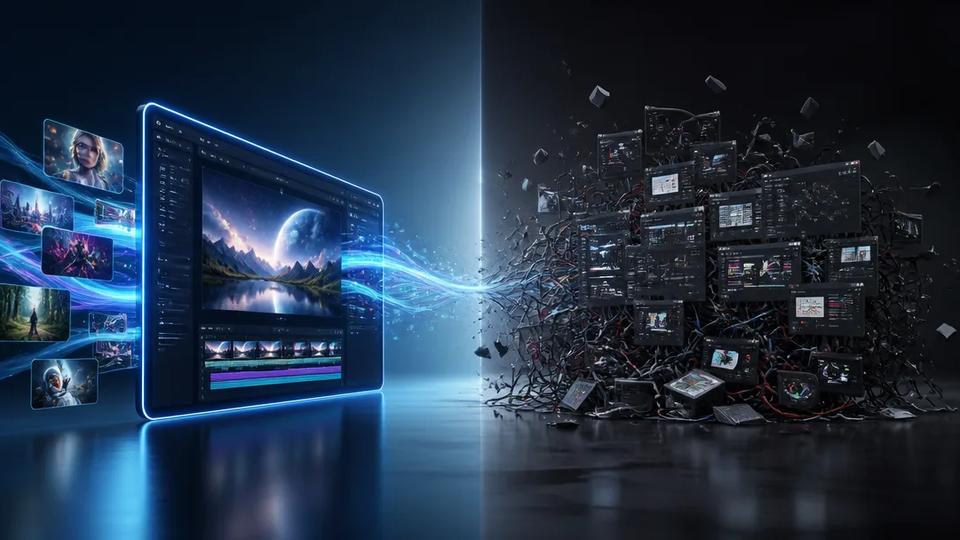
Crealix AI is not designed solely as an image generation tool. It is designed as a workflow layer for multimedia creators. The important differentiator is the handoff between static generation and motion generation. Creators can:
- Test multiple image models
- Use visual references
- Compare outputs quickly
- Build reusable asset libraries
- Move images directly into AI video workflows
- Keep production inside one centralized system
That workflow continuity matters because many standalone image tools work well in isolation… …but become inefficient once the content evolves into full multimedia production.
Practical recommendation
Use Midjourney when you need:
- Rapid visual exploration
- Artistic direction
- Moodboards
- Cinematic concepts
- Creative experimentation
Use Flux when you need:
- Repeatable production
- Visual consistency
- Commercial assets
- AI influencer workflows
- Image-to-video pipelines
- API integration
- Scalable automation
Use GPT Image / DALL·E when you need:
- Instruction-based editing
- Conversational refinement
- Rapid revisions
- Context-aware image manipulation
- Flexible creative iteration
Final recommendation
For creators, the best AI image generator is not necessarily the one that creates the prettiest standalone image. It is the one that produces the most usable assets for the next stage of the workflow. In 2026, AI images are no longer isolated outputs. They are components inside larger multimedia production systems. And in that environment, consistency, control, and workflow integration matter more than aesthetics alone.